Safetrode.Com – Understanding Electrical Safety, Grounding, and Technical Resources!
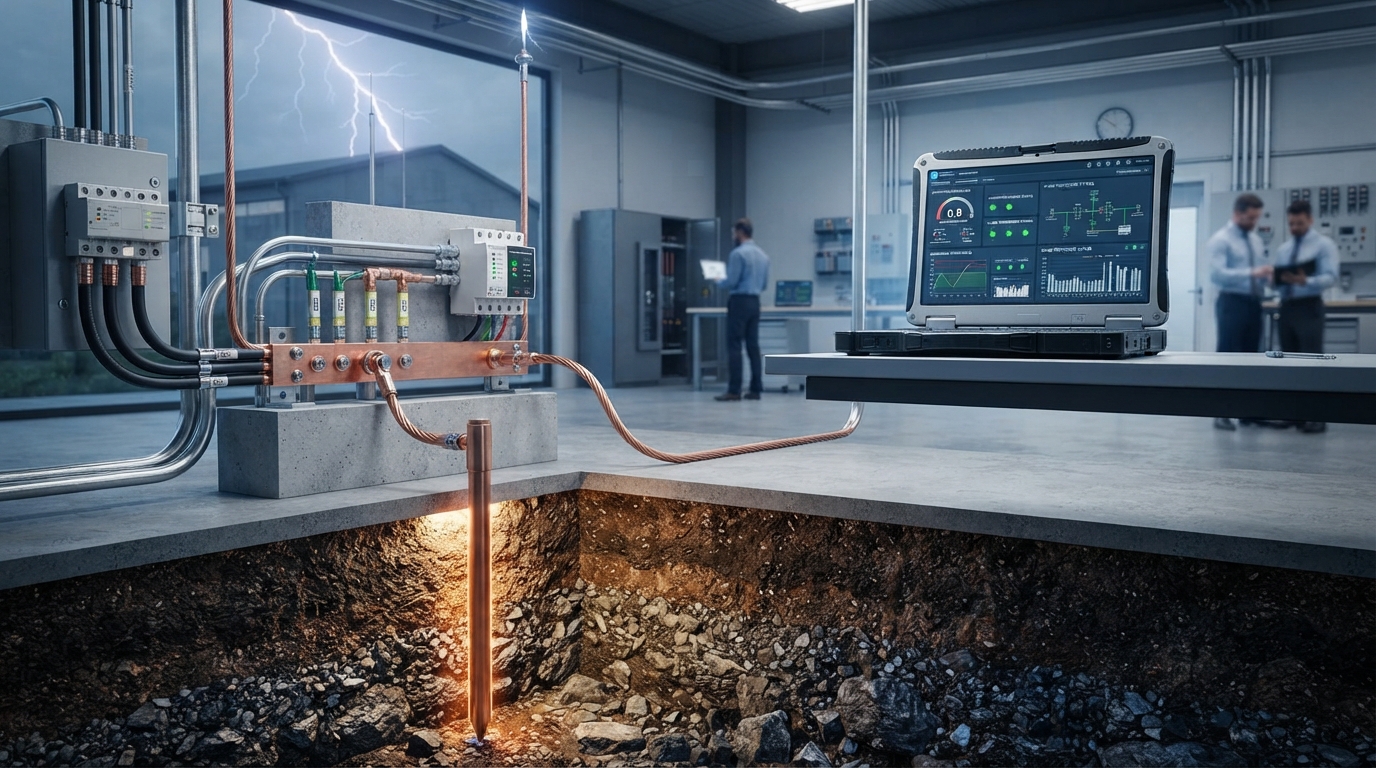
Safetrode.com is a term associated with online information about electrical safety, grounding, earthing systems, engineering, and related technical subjects. Current search results connect the name with discussions covering electrical infrastructure, grounding technology, safety practices, and technical education.
Because information surrounding the domain can vary, readers should distinguish between verified website information and general technical content published by third parties. This is especially important when dealing with electrical systems, where incorrect advice can create serious safety risks.
What Is Safetrode.com?
Safetrode.com is associated with technical content involving electrical safety and engineering-related subjects. Search results currently connect the term with topics such as grounding systems, earthing, surge protection, lightning protection, and electrical infrastructure.
The name has also appeared in historical medical-electrode literature. A Johnson & Johnson MedTech document references a product called the Safetrode used as a reusable electrosurgical return electrode, showing that the term has had a medical-electrical context as well.
For this reason, context matters when someone searches for “Safetrode.”
Main Topics Associated With Safetrode
The current online content surrounding Safetrode focuses heavily on electrical engineering and safety.
Common subjects include:
- Electrical grounding
- Earthing systems
- Grounding electrodes
- Soil resistivity
- Earth resistance
- Lightning protection
- Surge protection
- Electrical maintenance
- Industrial safety
- Electrical infrastructure
- Equipment protection
- Engineering technology
These topics are important because grounding and protective systems form a critical part of safe electrical installations.
Why Electrical Grounding Matters
Grounding provides a controlled path for electrical fault current and helps reduce dangerous voltage differences between conductive parts of an electrical installation.
A properly designed grounding system can contribute to personnel safety, equipment protection, and reliable operation. Its effectiveness depends on the design of the complete electrical system rather than simply installing a single grounding component.
Factors such as soil characteristics, conductor sizing, electrode design, connections, environmental conditions, and maintenance can influence performance.
For professional installations, grounding should always be designed, tested, and maintained according to applicable electrical standards and local requirements.
Understanding Earthing Systems
Earthing and grounding are closely related terms, although terminology and technical practices can vary by region and electrical system.
An earthing arrangement establishes an intentional connection between an electrical system or exposed conductive parts and earth. During certain fault conditions, this connection helps provide an appropriate path for fault current.
The selection of an earthing method depends on the installation.
Engineers may consider:
- Soil resistivity
- Available space
- Electrical load
- Fault-current characteristics
- Environmental conditions
- Corrosion risks
- Local regulations
- Required protection levels
This means there is no universal grounding solution that is automatically suitable for every project.
Ground Resistance and Soil Conditions
Grounding performance is strongly influenced by the surrounding soil.
Different soils can have significantly different electrical resistivity. Moisture, temperature, mineral composition, and geological structure can also affect resistance measurements.
Engineers therefore use appropriate testing methods to understand site conditions before selecting or evaluating grounding arrangements.
Rather than assuming that a particular electrode will produce the same result everywhere, professionals should assess the actual installation and environmental conditions.
Lightning Protection
Lightning can introduce extremely large electrical currents and transient voltages into buildings and infrastructure.
A properly engineered lightning-protection system is designed to control the path of lightning current and reduce the potential for damage to structures and equipment.
Grounding forms an important part of many lightning-protection designs, but grounding alone should not be treated as a complete lightning-protection strategy.
The entire system—including air terminals, conductors, bonding, grounding, and applicable protection measures—must work together.
Surge Protection and Electrical Equipment
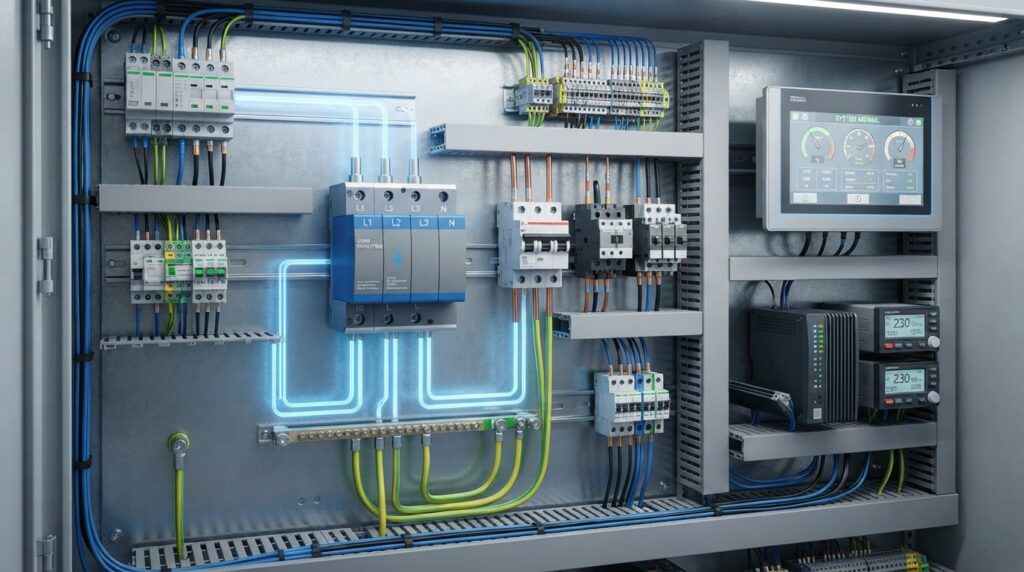
Electrical equipment can also be affected by transient overvoltages caused by lightning, switching events, and disturbances within electrical networks.
Surge protective devices, commonly called SPDs, can help limit certain transient overvoltages when correctly selected and installed.
Sensitive equipment such as industrial controls, communication systems, computers, and electronic instruments may require appropriate protection based on the characteristics of the installation.
Good electrical protection therefore involves more than one component. Grounding, bonding, surge protection, insulation, and system design must be considered together.
Electrical Safety in Industrial Environments
Industrial facilities often contain complex electrical systems, machinery, automation equipment, motors, control systems, and power-distribution infrastructure.
A grounding problem in such an environment can have consequences beyond equipment damage. It may contribute to electrical hazards, unexpected shutdowns, or unsafe working conditions.
Regular inspections and maintenance are therefore important.
Electrical professionals may evaluate:
- Grounding connections
- Conductors
- Electrode condition
- Corrosion
- Protective devices
- Equipment bonding
- Resistance measurements
- Signs of overheating or damage
The exact inspection and testing schedule should follow the relevant standards and the requirements of the installation.
How Technical Resources Can Help
Online technical resources can make complex engineering concepts easier to understand.
For students, educational material can provide a starting point for learning about grounding and electrical safety. Professionals may use online resources to review concepts, terminology, emerging technologies, and industry discussions.
However, online articles should not replace professional engineering judgment, approved technical documentation, manufacturer instructions, or applicable electrical codes.
This distinction is particularly important when information involves high-voltage systems or safety-critical equipment.
Who May Find Safetrode-Related Information Useful?
Information associated with Safetrode can be relevant to several groups.
Electrical Engineers
Engineers can explore concepts involving grounding design, protection systems, and electrical infrastructure.
Electricians and Technicians
Practical electrical-safety information can support general knowledge and help professionals understand why proper installation and maintenance matter.
Facility Managers
Facility teams can benefit from understanding the relationship between electrical maintenance, equipment protection, and operational reliability.
Industrial Businesses
Manufacturing and industrial organizations depend on reliable electrical infrastructure to reduce downtime and protect valuable equipment.
Students
Students can use introductory technical resources to build foundational knowledge before moving to formal engineering standards and textbooks.
Common Electrical Safety Challenges
Grounding systems can face several practical problems.
Corrosion
Metal components exposed to soil and moisture can deteriorate over time.
Poor Connections
Loose or damaged connections can reduce the effectiveness of an electrical protection system.
High Soil Resistivity
Certain soil conditions can make it more difficult to achieve desired grounding characteristics.
Inadequate Maintenance
Even a properly installed system can deteriorate if inspections and maintenance are neglected.
Incorrect Design
A grounding arrangement must be appropriate for the specific electrical installation rather than selected solely because it worked somewhere else.
These challenges demonstrate why professional assessment is essential.
Safetrode.com and Technical Learning
The broader online discussion surrounding Safetrode reflects a growing interest in electrical safety, grounding technology, engineering, and infrastructure reliability.
Modern facilities increasingly depend on sophisticated electrical and electronic equipment. Data centers, manufacturing plants, telecommunications facilities, renewable-energy installations, commercial buildings, and other infrastructure all require carefully designed electrical systems.
As technology develops, technical education becomes increasingly important. Professionals need to understand not only individual components but also how grounding, protection, maintenance, and electrical reliability interact.
Important Considerations Before Using Technical Advice
Readers researching Safetrode.com or similar electrical-safety resources should apply a few basic principles.
First, determine whether a statement comes from the website itself, an independent technical source, or a general article.
Second, check whether the information is current.
Third, look for references to recognized standards and technical documentation.
Finally, never use an online article as the sole basis for performing hazardous electrical work.
Electrical installations should be evaluated by appropriately qualified professionals who understand the applicable standards and site-specific requirements.
Frequently Asked Questions
1. What is Safetrode.com?
Safetrode.com is a domain associated in current online search results with electrical safety, grounding, earthing, engineering, and technical information. The term has also appeared historically in medical-electrode documentation, so the exact meaning depends on context.
2. What topics are associated with Safetrode?
Commonly associated topics include grounding systems, earthing, electrical safety, lightning protection, surge protection, grounding electrodes, soil resistivity, and electrical infrastructure.
3. Why is grounding important?
Grounding can provide an intentional path for fault current and help reduce hazardous electrical conditions. Proper grounding is part of a broader electrical protection strategy and should be designed for the specific installation.
4. Can online information replace an electrician or engineer?
No. General educational material can help explain concepts, but electrical installation, testing, and safety-critical decisions should be handled by qualified professionals following applicable standards and regulations.
5. Is Safetrode related to medical electrodes?
The term has appeared in historical medical-electrode literature. A Johnson & Johnson MedTech document references the Safetrode as a reusable electrosurgical return electrode.
Final Thoughts
Safetrode.com is associated with information about electrical safety, grounding, earthing, engineering, and infrastructure protection. The Safetrode name also has historical links to medical-electrode technology, so context matters when researching it. Online resources can provide useful educational guidance, but electrical work requires professional expertise. Always consult recognized standards, manufacturer documentation, and qualified professionals when evaluating safety-critical electrical systems.