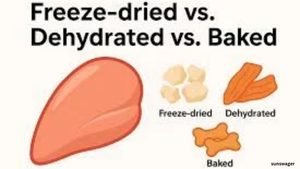
Freeze-Dried vs Dehydrated vs Baked Dog Treats: A Trainer Explains
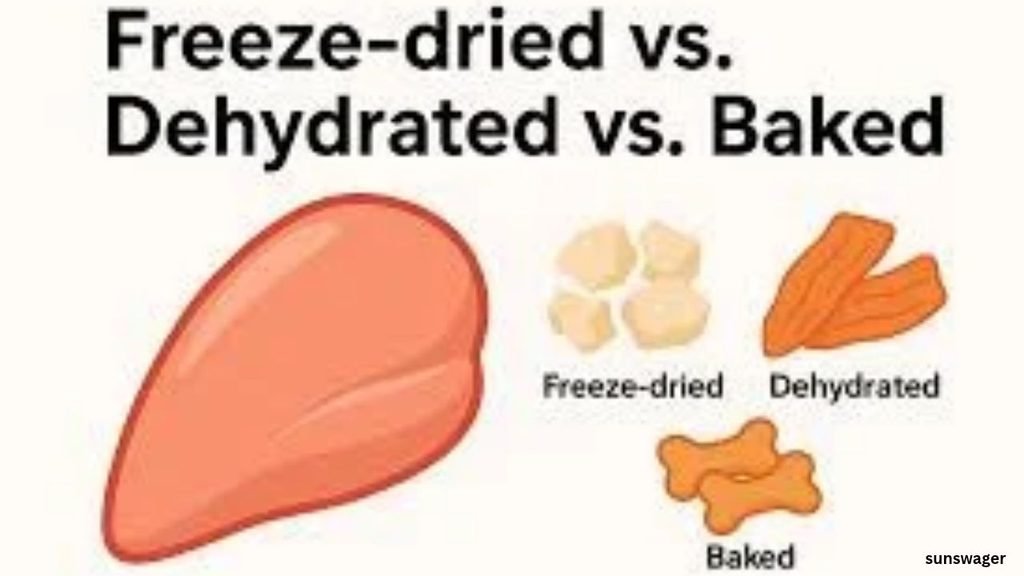
Walk down any pet store aisle and you’ll find shelves packed with treats claiming to be freeze-dried, dehydrated, or oven-baked, often at wildly different price points for what looks like similar meat or produce. As someone who’s spent years relying on treats to shape behavior during training sessions, the differences between these three processing methods matter a lot more than most pet parents realize, both for nutrition and for how effectively a treat actually works as a reward.
The short version is that each method changes the treat at a molecular level, not just in texture. That affects everything from shelf life to how quickly a dog can eat it mid-session, which turns out to be a genuinely important training consideration nobody talks about enough.
The Core Difference: How Each Method Removes Moisture
All three treat types start from the same basic goal, removing water to prevent spoilage, but they get there through completely different physical processes.
Freeze-Drying Uses Sublimation
According to the American Kennel Club, freeze-drying works through a process called sublimation, where a treat is frozen solid and then placed under a vacuum that allows the ice inside to convert directly into vapor without ever passing through a liquid state. This matters because the treat’s structure stays remarkably close to its original form, since there’s no heat involved to cook or denature the proteins during the process.
Dehydration Relies on Low, Steady Heat
Dehydration takes a slower, gentler route than baking but still uses heat, typically running food through long periods of low-temperature airflow to gradually evaporate moisture out. The AKC’s breakdown notes that this method takes considerably longer than freeze-drying but avoids the higher temperatures used in traditional baking, landing somewhere in the middle in terms of nutrient preservation.
Baking Uses the Most Intense Heat
Baked treats go through the highest thermal exposure of the three, and that heat does real work breaking down and altering the structure of proteins and fats during cooking. This is the most familiar and often the most affordable production method, but it also comes with the most significant nutrient changes along the way.
What the Research Actually Shows About Nutrient Preservation
Understanding the “why” behind these differences comes down to some genuinely interesting food science, and there’s real peer-reviewed research backing up what a lot of trainers have suspected anecdotally for years.
A scientific review published in Frontiers in Animal Science examined how different processing methods affect lipid oxidation and protein integrity in pet treats. The research found that thermal processing, meaning higher heat exposure like baking, tends to accelerate lipid oxidation, essentially the fats breaking down and degrading, at a faster rate than freeze-drying does. The review also pointed to water activity levels as a key factor influencing both shelf stability and how appealing a treat remains to a dog over time.
A separate peer-reviewed study published through PubMed Central compared baked, air- and freeze-dried, and extruded pet food formats directly, looking specifically at how thermal processing influences the preservation of raw ingredients alongside texture and palatability. The findings reinforced that lower-heat or no-heat methods generally retained more of the original ingredient’s nutritional profile, while higher-heat methods produced more significant changes to both nutrient content and the physical texture dogs interact with.
Why This Matters From a Training Perspective
This is where things get genuinely practical rather than just academic. The physical properties that come out of each processing method directly affect how useful a treat is during an actual training session.
Texture and Speed of Consumption
Freeze-dried treats tend to be light, brittle, and quick for a dog to bite through and swallow, which matters enormously during rapid-fire training reps where you don’t want a long chewing pause breaking your dog’s focus. Dehydrated treats are often chewier and take longer to consume, which can actually work against you in fast-paced sessions but might suit slower, calmer training moments just fine. Baked treats vary the most in texture depending on the recipe, but many commercial versions run drier and crumblier, occasionally causing more mess mid-session than either of the other two options.
Reward Value and Palatability
The Frontiers research specifically ties moisture content to reward value, essentially how motivating a treat is to a dog. Treats that retain more of their original aroma and flavor profile, which freeze-drying tends to preserve better due to the lack of heat exposure, often register as higher-value rewards during training. This isn’t just a nice bonus. A genuinely high-value reward can be the difference between a distracted dog and a fully engaged one during a challenging training exercise.
Choosing the Right Format for Your Situation
None of these three methods is universally “best.” Each has a legitimate use case depending on what you’re actually trying to accomplish.
Freeze-dried treats work particularly well for:
- Fast-paced training sessions requiring quick, repeated rewards
- Dogs with sensitive digestion who benefit from minimally processed ingredients
- Situations where shelf stability without refrigeration matters, like travel or long car rides
Dehydrated treats tend to suit:
- Longer-lasting chews meant to occupy a dog for extended periods
- Slower, calmer reward moments outside of active training
- Pet parents looking for a middle ground between raw and fully cooked options
Baked treats generally fit best for:
- Everyday, casual treat-giving outside of structured training
- Budget-conscious purchasing where cost matters more than nutrient retention
- Dogs who simply prefer the taste and texture of a more traditional cookie-style treat
Supporting Training Success Beyond the Treat Itself
Choosing the right treat format is only part of building an effective training routine. Dogs who struggle to focus during sessions sometimes benefit from a bit of extra calm before you even begin, and calming chews for dogs can help settle nervous energy that otherwise gets in the way of learning.
For dogs managing joint discomfort, longer training sessions that involve a lot of sitting, standing, or repetitive movement can become genuinely tiring, and joint chews for dogs can help keep them comfortable enough to stay engaged for the full session rather than losing interest due to physical discomfort.
Dogs prone to itching or skin sensitivity sometimes get distracted mid-session by the urge to scratch or lick at irritated areas, which can quietly derail an otherwise productive training block. Allergy chews for dogs can help address that underlying irritation so your dog stays focused on the task at hand instead of their own discomfort.
Making an Informed Choice
Freeze-dried, dehydrated, and baked treats each serve a real purpose, and understanding the processing differences behind them helps you match the right format to the right moment, whether that’s a rapid training drill or a relaxed evening reward. If you’re specifically looking for something with minimal processing and high reward value for active training work, freeze dried dog treats consistently check the most boxes according to the research on nutrient retention and palatability.
At WagWell, we believe the treats you choose should work as hard as you do, supporting both nutrition and genuine training success in every session.