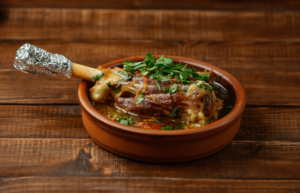
Cevurı – Traditional Turkish Dish, Ingredients, Recipe & What to Know!
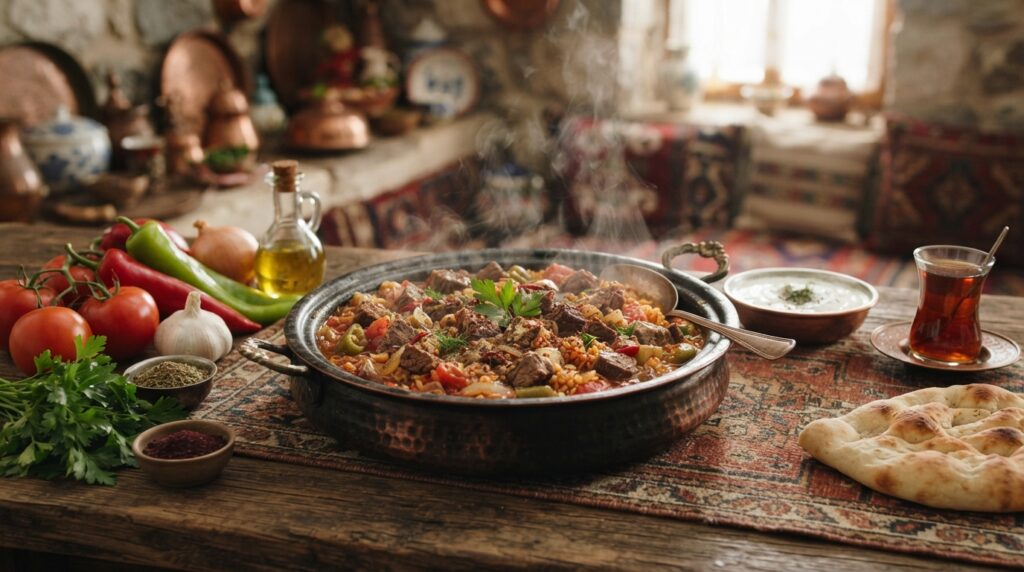
Cevurı is a food term that has recently appeared across online cooking and cultural discussions, usually in connection with Turkish or Anatolian-style cuisine. It is commonly described as a hearty preparation built around ingredients such as meat, vegetables, grains, herbs, and spices.
There is an important detail to understand, though: Cevurı does not have one universally documented recipe that every source agrees on. Current descriptions vary from slow-cooked, stew-like meals to meat-centered sauté preparations.
That makes it useful to look at Cevurı from both sides: what the current descriptions have in common and what remains uncertain.
What Is Cevurı?
Cevurı is generally presented online as a traditional Turkish or Anatolian-style food centered on simple ingredients and substantial flavors.
Depending on the version, the dish may include lamb or beef, onions, tomatoes, peppers, garlic, grains, legumes, and seasonings such as cumin, paprika, and black pepper.
Some descriptions emphasize slow cooking, allowing meat and vegetables to soften together. Other versions focus on high-heat cooking, particularly when the preparation is centered on pieces of lamb or beef.
So rather than treating Cevurı as one rigid recipe, it is more accurate to recognize that the name is currently used for several related culinary descriptions.
Is Cevurı a Traditional Turkish Dish?
Cevurı is widely described online as Turkish or Anatolian food, but its exact historical identity deserves some caution.
Many articles claim that the dish has a specific ancient or regional origin. However, current descriptions do not agree on one standardized recipe, preparation technique, or precise place of origin.
What is easier to establish is the broader culinary context. Ingredients frequently associated with Cevurı—including lamb, beef, peppers, tomatoes, onions, grains, garlic, and warm spices—fit naturally within the wider traditions of Turkish and Anatolian cooking.
For that reason, Cevurı can reasonably be discussed as a Turkish or Anatolian-style culinary preparation, while more specific historical claims should be treated carefully unless supported by reliable culinary documentation.
Common Ingredients in Cevurı
There is no single ingredient list that defines every version, but several ingredients appear repeatedly in modern descriptions.
Meat
Lamb and beef are the most frequently mentioned proteins.
Lamb can produce a rich, tender result, especially when cooked slowly. Beef works well when cut into pieces that can withstand longer cooking.
Chicken also appears in some modern descriptions, although meat choices vary.
Onions and Garlic
Onions provide sweetness and body as they cook down, while garlic contributes a stronger savory aroma.
These ingredients are useful at the beginning of the cooking process because they create a flavorful foundation before the meat or vegetables are added.
Tomatoes and Peppers
Tomatoes can provide acidity and moisture, while peppers add sweetness, freshness, or heat depending on the variety.
Green peppers, red peppers, and tomato-based preparations are frequently associated with the broader flavor profile used to describe Cevurı.
Grains and Legumes
Some versions include bulgur, rice, wheat, chickpeas, or lentils.
These ingredients make the dish more substantial and can change its texture considerably. A grain-based version may feel closer to a hearty one-pot meal, while a meat-and-vegetable version may be more similar to a sauté or stew.
Herbs and Spices
Commonly reported seasonings include:
- Cumin
- Paprika
- Black pepper
- Red pepper
- Garlic
- Parsley
- Dried herbs
The exact spice mixture depends on the preparation.
What Does Cevurı Taste Like?
The flavor depends on which version of Cevurı you are eating.
A slow-cooked preparation can be rich, savory, earthy, and comforting. The meat becomes tender while vegetables and seasonings blend into the cooking liquid.
A high-heat version can have a stronger roasted character. Browning the meat and vegetables creates deeper savory notes and a more concentrated flavor.
Cumin can add warmth, paprika can provide mild sweetness and color, while red pepper can introduce additional heat.
Overall, Cevurı-style cooking tends to favor bold but uncomplicated flavors rather than elaborate sauces.
How Is Cevurı Traditionally Prepared?
Because recipes vary, there is no single preparation method that can confidently be called the universal Cevurı method.
However, many current descriptions follow a similar cooking pattern.
1. Prepare the Ingredients
Cut the meat into manageable pieces and prepare the vegetables.
If using bulgur, rice, lentils, or another grain or legume, prepare it according to the requirements of that ingredient.
2. Build the Aromatic Base
Heat a little olive oil or another suitable cooking fat in a heavy pan or pot.
Add chopped onions and garlic and cook until softened and fragrant.
3. Brown the Meat
If using lamb or beef, add it to the pan and allow the surfaces to brown.
Browning develops additional savory flavor and gives the finished dish a deeper character.
4. Add Vegetables
Add tomatoes and peppers along with the selected seasonings.
Cook until the vegetables soften and begin combining with the meat.
5. Choose Your Cooking Style
For a stew-like Cevurı, add an appropriate amount of water or broth and cook gently until the meat becomes tender.
For a sauté-style version, use less liquid and allow the ingredients to cook at higher heat so that moisture reduces and the meat and vegetables develop stronger roasted flavors.
6. Add Grains or Legumes
If your chosen version contains bulgur, rice, chickpeas, or lentils, add them at the stage appropriate to the ingredient.
Continue cooking until everything reaches the desired texture.
7. Finish and Serve
Taste for seasoning and adjust salt, pepper, or spices.
Fresh herbs can be added near the end to provide contrast to the richer ingredients.
A Simple Cevurı-Style Recipe
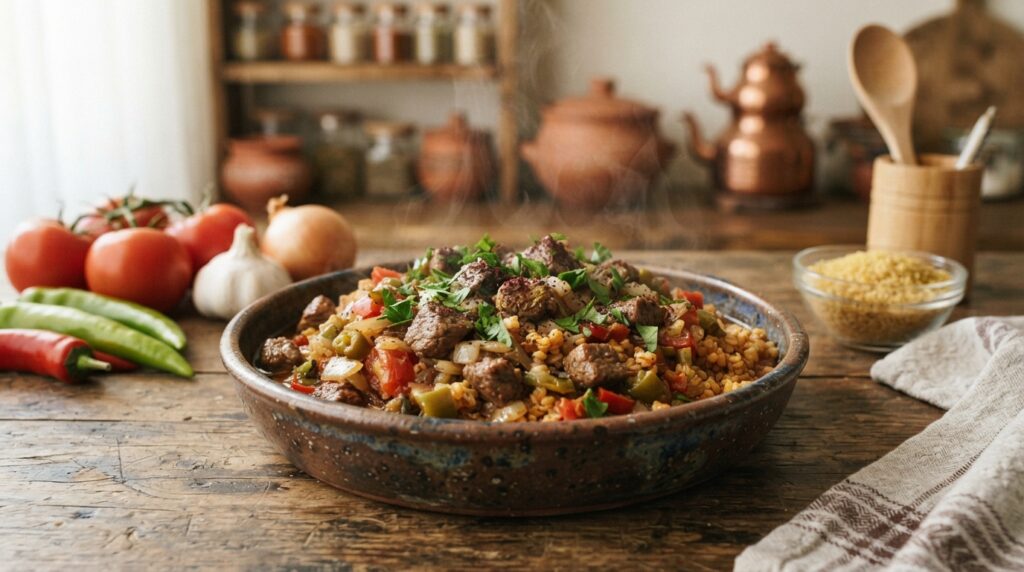
Because there is no single standardized recipe, the following should be understood as a Cevurı-style home preparation, rather than the one definitive historical recipe.
Ingredients
- 500 g lamb or beef, cut into small pieces
- 1 large onion, chopped
- 2 cloves garlic, minced
- 2 medium tomatoes, chopped
- 1 green pepper, sliced
- 1 tablespoon tomato paste
- 1 tablespoon olive oil
- 1 teaspoon cumin
- 1 teaspoon paprika
- ½ teaspoon black pepper
- Salt to taste
- ½ cup cooked chickpeas or lentils, optional
- ½ cup bulgur, optional
- Fresh parsley for serving
Method
Heat the oil in a heavy pot or deep skillet.
Add the onion and cook until it begins to soften. Stir in the garlic and cook briefly.
Add the meat and brown it on several sides.
Add the tomato paste, tomatoes, and pepper. Stir so that the ingredients are evenly coated.
Season with cumin, paprika, black pepper, and salt.
For a softer, stew-like result, add enough water or broth to create some cooking liquid. Cover and simmer until the meat is tender.
If you are using bulgur or cooked legumes, add them during the appropriate stage and continue cooking until the desired consistency is reached.
Finish with fresh parsley and serve warm.
Is Cevurı a Stew or a Sauté?
This is one of the areas where online descriptions differ.
Some versions are presented as slow-cooked mixtures of meat, vegetables, grains, and liquid. That preparation is closer to a stew.
Other descriptions emphasize small pieces of meat cooked at relatively high heat with vegetables and spices. That approach is closer to a sauté.
Neither description should automatically be treated as the universal definition of Cevurı.
The safest interpretation is that the term is currently being used for more than one related Turkish-style preparation.
Can Cevurı Be Made Without Meat?
Yes.
A meat-free version can use ingredients such as:
- Chickpeas
- Lentils
- Bulgur
- Rice
- Eggplant
- Peppers
- Tomatoes
- Onions
- Garlic
- Fresh herbs
The result will have a different texture and flavor from a lamb- or beef-based version, but the same basic principles of combining vegetables, grains or legumes, seasoning, and careful cooking can be retained.
For a vegetarian preparation, chickpeas or lentils are especially useful because they add substance and protein.
Is Cevurı Spicy?
It does not have to be.
The level of heat depends mainly on the peppers and seasonings used by the cook.
Paprika and mild peppers can create a warm, aromatic flavor without making the dish hot. Hot red pepper or chili can be added when a stronger kick is preferred.
This flexibility is one reason recipes can taste noticeably different from one another.
What Do You Serve With Cevurı?
The best accompaniment depends on the consistency of the dish.
For a rich meat preparation, common complementary foods include:
- Flatbread
- Rice
- Bulgur
- Fresh salad
- Yogurt
- Pickled vegetables
- Fresh herbs
Bread is particularly useful with saucier versions because it can be used to enjoy the cooking juices.
A fresh salad or yogurt-based side can also provide contrast to a rich meat dish.
Is There One Authentic Cevurı Recipe?
There does not appear to be one universally accepted recipe that can be identified as the definitive version.
This is important because many online articles use the word “authentic” while giving completely different ingredient lists and cooking methods.
One source may describe Cevurı as a slow-cooked dish containing grains and vegetables. Another may describe it primarily as a lamb or beef sauté.
Rather than choosing one unsupported version and calling it the only authentic recipe, it is more useful to recognize the common culinary themes and clearly identify variations.
Cevurı and Broader Anatolian Cooking
Many of the ingredients associated with Cevurı are familiar throughout Anatolian and Turkish cuisine.
Meat, grains, vegetables, yogurt, herbs, peppers, and aromatic spices have long played important roles in regional cooking traditions.
This broader context helps explain why Cevurı descriptions often feel familiar even when the exact recipe changes.
The important distinction is between saying that a cooking style fits within the broader Anatolian culinary tradition and claiming that a specific recipe has been historically documented in a particular location.
The first is a broader culinary observation. The second requires stronger evidence.
Why Do Cevurı Recipes Differ Online?
Several factors can produce different descriptions of the same food term.
Regional variation
Traditional home cooking naturally changes from one household or region to another.
Online adaptation
A recipe can be modified when writers adapt it for modern kitchens or international audiences.
Spelling variation
The term is sometimes written as Cevuri without the Turkish dotless “ı,” which can make online research less consistent.
Lack of standardized documentation
Unlike internationally established dishes with extensive culinary documentation, Cevurı currently has relatively inconsistent online descriptions.
As a result, readers should compare sources rather than assuming that every article describing the dish is documenting the same recipe.
Cevurı vs. Other Turkish Meat Dishes
Cevurı is sometimes compared with familiar Turkish preparations because of overlapping ingredients and techniques.
For example, lamb, beef, peppers, onions, spices, and high-heat cooking can appear in many Turkish meat dishes.
That does not automatically make them the same dish.
The most useful distinction is the specific preparation, ingredient combination, texture, and local naming convention being used.
If a recipe resembles a familiar Turkish dish, that may tell you something about its culinary style, but it does not prove that the two foods are identical.
What Makes Cevurı Interesting?
The appeal of Cevurı lies partly in its flexibility.
It can be interpreted as a substantial meat dish, a vegetable-and-grain meal, or a slow-cooked preparation depending on the recipe being followed.
That flexibility also makes it approachable for home cooks.
You can adjust the protein, vegetables, grains, spice level, and cooking time without losing the basic idea of a hearty Turkish-style meal.
Common Questions About Cevurı
1. What is Cevurı?
Cevurı is commonly described online as a Turkish or Anatolian-style food involving combinations of meat, vegetables, grains, herbs, and spices. Current descriptions vary considerably.
2. Is Cevurı Turkish food?
It is widely presented online as Turkish or Anatolian-style food, although its exact historical origin and standardized culinary definition are not consistently documented.
3. What meat is used in Cevurı?
Lamb and beef are frequently mentioned. Some modern versions use chicken, while vegetarian versions replace meat with legumes or vegetables.
4. Is Cevurı a stew?
Some versions are described as stews, particularly those involving grains, vegetables, meat, and cooking liquid. Other versions are closer to a sauté.
5. What ingredients are commonly used?
Commonly reported ingredients include meat, onions, tomatoes, peppers, garlic, bulgur or rice, legumes, cumin, paprika, black pepper, and fresh herbs.
6. Can Cevurı be vegetarian?
Yes. Chickpeas, lentils, bulgur, vegetables, and herbs can create a filling meat-free version.
7. Is Cevurı spicy?
It can be mild or spicy. The heat level depends on the peppers and seasonings used.
8. What does Cevurı taste like?
It is generally described as savory, aromatic, hearty, and rich. Slow-cooked versions tend to be softer and more comforting, while sautéed versions can have stronger roasted flavors.
9. Is there one authentic Cevurı recipe?
No single universally accepted recipe is established across current online descriptions. Different sources present noticeably different versions.
Final Thoughts
Cevurı is an intriguing example of how a food term can develop different interpretations across the modern web. The most consistent descriptions connect it with Turkish or Anatolian-style cooking and ingredients such as meat, vegetables, grains, legumes, herbs, and spices. However, recipes vary enough that it would be misleading to claim that every Cevurı preparation follows one fixed formula.
For someone trying the dish at home, that flexibility can be an advantage. A lamb-based version can deliver a rich, savory meal, while bulgur, lentils, vegetables, or chickpeas can create satisfying alternatives. The key is to treat Cevurı as a culinary style with several reported interpretations rather than relying on unsupported claims about one supposedly definitive recipe. That approach gives you a better understanding of the food—and leaves room for the regional and household variations that make traditional cooking interesting in the first place.