A Complete Guide to O-Level Chinese Oral Examination Success with Secondary Chinese Tuition Singapore
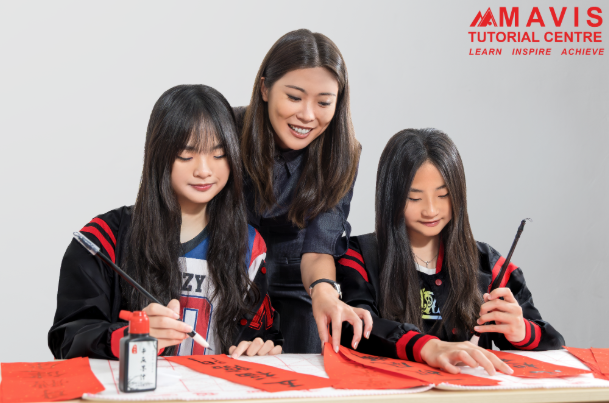
The O-Level Chinese Oral Examination is one of the most important components of the Chinese language assessment in Singapore. For many students, oral communication can be one of the most challenging areas because it requires confidence, fluency, critical thinking, and the ability to express ideas clearly under examination conditions. Unlike written papers, students must respond spontaneously and demonstrate their language proficiency in real time.
As a result, many families seek support through secondary chinese tuition Singapore programmes to help students strengthen their speaking skills and improve examination readiness. With proper preparation, consistent practice, and effective strategies, students can approach the oral examination with greater confidence and significantly improve their performance.
This comprehensive guide explores the structure of the O-Level Chinese Oral Examination, common challenges students face, and practical techniques that can help them achieve success.
Understanding the O-Level Chinese Oral Examination
Before preparing for the examination, students should have a clear understanding of its format and assessment criteria.
The oral examination typically consists of two main components:
Reading Aloud
Students are required to read a passage aloud using clear pronunciation, appropriate pacing, and accurate expression.
Examiners assess:
- Pronunciation accuracy
- Fluency
- Clarity
- Expression
- Reading confidence
Spoken Interaction
Students watch a short video stimulus before participating in a conversation with the examiner.
This section evaluates:
- Ability to express opinions
- Use of relevant vocabulary
- Depth of responses
- Communication skills
- Critical thinking abilities
Success requires more than language knowledge alone. Students must also demonstrate confidence and effective communication skills.
Why Students Find the Oral Examination Challenging
Many students perform reasonably well in written examinations but struggle during oral assessments.
Several factors contribute to these difficulties.
Common Challenges
| Challenge | Impact on Performance |
| Lack of confidence | Hesitation and nervousness |
| Limited vocabulary | Difficulty expressing ideas |
| Weak pronunciation | Reduced clarity |
| Insufficient practice | Slower responses |
| Anxiety under pressure | Loss of fluency |
Understanding these challenges allows students to focus their preparation on the areas that matter most.
Building a Strong Vocabulary Foundation
Vocabulary is one of the most important factors in oral examination success.
Students who possess a wider range of vocabulary can communicate more effectively, provide detailed responses, and express opinions with greater precision.
Why Vocabulary Matters
Strong vocabulary enables students to:
- Explain ideas clearly
- Discuss complex topics
- Respond confidently
- Demonstrate language proficiency
- Avoid repetitive language
Effective Vocabulary Building Strategies
Students can expand their vocabulary through:
- Reading Chinese newspapers
- Following Chinese current affairs programmes
- Maintaining vocabulary notebooks
- Learning useful phrases and expressions
- Reviewing topic-based word lists
Many secondary chinese tuition singapore programmes incorporate structured vocabulary exercises that help students prepare for commonly tested oral themes.
Mastering Pronunciation and Fluency
Good pronunciation ensures that examiners can clearly understand a student’s responses.
Common Pronunciation Issues
Students often struggle with:
- Incorrect tones
- Mispronounced words
- Inconsistent pacing
- Lack of expression
- Reading too quickly or too slowly
These issues can affect overall communication effectiveness.
Improving Pronunciation
Practical techniques include:
- Reading Chinese passages aloud daily
- Listening to native speakers
- Recording practice sessions
- Reviewing difficult words repeatedly
- Receiving corrective feedback
Consistent practice helps students develop natural fluency and greater confidence.
Preparing for Video-Based Conversations
The spoken interaction component requires students to analyse a video and discuss related topics with the examiner.
Skills Required
Students need to:
- Understand the video’s message
- Identify key themes
- Form personal opinions
- Support ideas with examples
- Respond to follow-up questions
This section assesses both language ability and critical thinking skills.
How to Prepare Effectively
Students should practise discussing topics such as:
- Education
- Technology
- Community involvement
- Healthy lifestyles
- Environmental responsibility
- Social issues
Exposure to a variety of themes improves flexibility and readiness during the examination.
Learning a Structured Response Framework
Many students struggle because they know what they want to say but cannot organise their thoughts effectively.
A Simple Response Structure
Students can use the following framework:
- State an opinion.
- Explain the reason.
- Provide an example.
- Conclude clearly.
Example
If asked whether community service is important:
- State your view.
- Explain why it benefits society.
- Provide a personal or real-life example.
- Summarise your point.
This structure helps students provide complete and well-developed responses.
Developing Critical Thinking Skills
O-Level oral examinations increasingly require students to think beyond basic observations.
What Examiners Look For
Students should demonstrate:
- Independent thinking
- Logical reasoning
- Personal reflection
- Awareness of current issues
- Ability to evaluate different perspectives
Simply describing a situation is often insufficient for higher-level responses.
Strengthening Critical Thinking
Students can improve by:
- Discussing current affairs
- Reading Chinese news articles
- Participating in classroom discussions
- Practising opinion-based questions
- Analysing different viewpoints
These activities help students generate richer and more sophisticated responses.
Managing Nervousness During the Examination
Even well-prepared students can feel anxious on examination day.
Common Signs of Anxiety
Students may experience:
- Forgetting vocabulary
- Speaking too quickly
- Long pauses
- Difficulty organising thoughts
- Reduced confidence
Learning how to manage nervousness is therefore an important aspect of preparation.
Practical Confidence-Building Techniques
Students can:
- Practise mock examinations regularly
- Simulate examination conditions
- Focus on communication rather than perfection
- Maintain positive self-talk
- Use breathing techniques before speaking
The more familiar students become with oral examination conditions, the less intimidating the experience becomes.
The Importance of Regular Oral Practice
Oral communication is a skill that improves through repetition and consistent use.
Why Practice Matters
Students who practise regularly become more comfortable:
- Speaking spontaneously
- Organising ideas quickly
- Using varied vocabulary
- Responding to unfamiliar questions
Frequent exposure helps transform knowledge into practical communication ability.
Suggested Weekly Practice Routine
| Activity | Frequency |
| Reading aloud | Daily |
| Vocabulary review | Daily |
| Oral discussions | 3 to 4 times weekly |
| Mock conversations | Weekly |
| Current affairs reading | Weekly |
A structured practice schedule can produce significant improvements over time.
How Parents Can Support Oral Examination Preparation
Parents play an important role in helping students prepare effectively.
Even parents who are not fluent in Chinese can provide valuable support.
Ways Parents Can Help
Parents can:
- Encourage regular speaking practice
- Create a positive learning environment
- Discuss current affairs topics
- Monitor revision schedules
- Celebrate progress and effort
Consistent encouragement often boosts confidence and motivation.
The Role of Secondary Chinese Tuition in Oral Examination Success
Many students benefit from additional support beyond school lessons, particularly when preparing for oral examinations.
A structured secondary Chinese tuition Singapore programme can provide:
- Personalised feedback
- Pronunciation correction
- Mock oral examinations
- Vocabulary development
- Topic-based discussions
These learning opportunities allow students to refine their speaking skills and address specific weaknesses.
Educational institutions such as Mavis Tutorial Centre support students through systematic oral practice, targeted feedback, and structured preparation techniques. Such programmes can complement school learning and help students develop greater confidence when facing oral assessments.
Common Mistakes to Avoid
Students often lose marks due to avoidable mistakes.
Frequent Errors
- Giving overly short answers
- Memorising responses excessively
- Speaking without examples
- Ignoring the examiner’s question
- Using repetitive vocabulary
Being aware of these issues helps students avoid common pitfalls during the examination.
Final Thoughts
The O-Level Chinese Oral Examination provides valuable opportunities for students to demonstrate communication skills, critical thinking abilities, and language proficiency. By developing strong speaking habits, expanding vocabulary, and practising regularly, students can build confidence and improve their overall examination performance.
Many families also find that structured Chinese tuition provides additional guidance, targeted practice, and expert feedback that complements school learning. With consistent effort, regular review, and the right support, students can strengthen their oral communication skills and achieve greater success in their Chinese examinations.
Parents looking for structured Chinese language support and practical learning strategies can explore the programmes available at mavistutorial.com, where students receive targeted instruction, regular progress monitoring, and guidance designed to build confidence and improve performance.